

New research has come out about the role of the Gut Microbiome and the living community we carry around with us every day.
Our bodies are amazing!
The Microbiome is the dynamic ecosystem of microorganisms, including bacteria, fungi, parasites, and viruses that inhabit the human body.
Since human microbiome science is a new field of research, most recent studies focus more on the gut microbiome as it has been found to be linked with a plethora of health conditions, including obesity, diabetes, asthma, allergies, inflammatory bowel diseases, autism, depression, and anxiety.
Our new blog breaks down four main topics about the Microbiome and how it all works!

Have you heard the joke saying that taking a shower and getting rid of germs can make you more human? If you pause and wonder what the point of this joke is, you should look up online and search for keywords called “the human microbiome.”
Scientific researchers have found that humans are made up of mostly microbes. In fact, there are about 10 times as many microbial cells in the human body as there are human cells.
What is the Gut Microbiome?
The microbiome is the dynamic ecosystem of microorganisms, including bacteria, fungi, parasites, and viruses that inhabit the human body. And the microbiome may weigh as much as five pounds in total. Let’s imagine a living community of the microbiome in our body. The members (microorganisms) of the community (microbiome) can be either symbiotic-as members living together with each other and benefiting from the other party – or pathogenic- as the members causing disease. All these different types of microorganisms can be found all over the body. from the skin to the mouth to the respiratory tract to the gut to the reproductive system, just to name a few. When we are in a healthy state, both symbiotic and pathogenic microorganisms live in harmony and peace. However, when we are sick, dysbiosis, which is an imbalance between microorganisms, can occur.
Since human microbiome science is a new field of research, most recent studies focus more on the gut microbiome as it has been found to be linked with a plethora of health conditions, including obesity, diabetes, asthma, allergies, inflammatory bowel diseases, autism, depression, and anxiety. Here are four interesting findings of the importance of the microbiome.
1. Brain Health
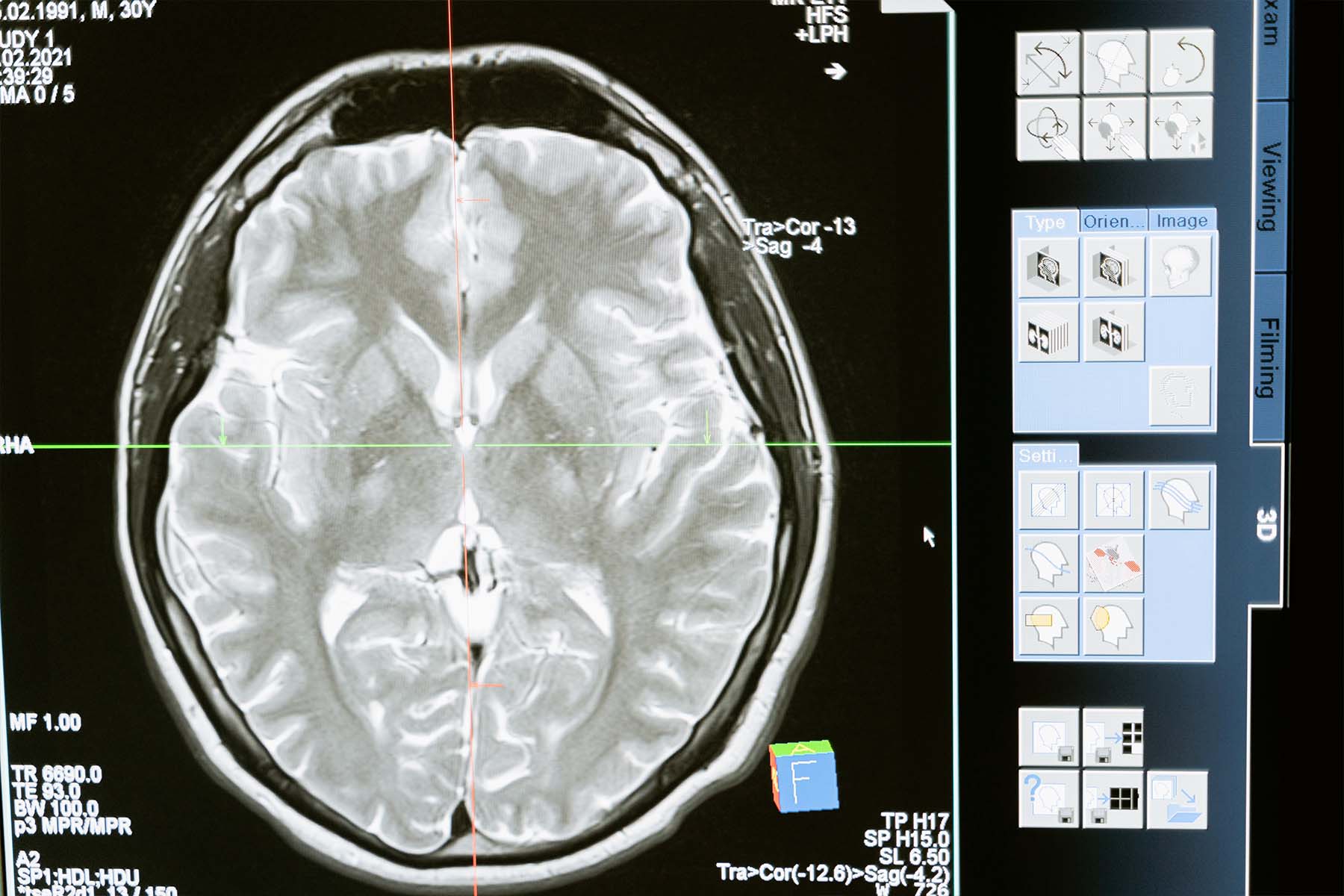
Serotonin is an antidepressant neurotransmitter or hormone. It is well known to be released from the brain and regulate our mood. However, more and more research has discovered that roughly 95% of serotonin is manufactured in the gut and influences our overall gut health. In addition, numerous nerve endings from the gut can communicate with the brain via the longest nerve of our nervous system called the vagus nerve.
The vagus nerve acts as a bridge and helps the body to form the brain-gut superhighway. As a result, the gut microbiome can directly affect our brain health. Surprisingly, a study found that anxious mice became very brave after they receive gut bacteria from risk-taking mice.

2. Immune System
Researchers have found that the microbiome can influence the immune system. The original research was based on germ-free mice. Scientists discovered that mice living in a sterile environment were reported to be more susceptible to infection and autoimmune diseases due to their compromised immune systems. Moreover, researchers found that infants delivered via cesarean section only obtained microorganisms from their mother’s skin surface while infants born vaginally had their mothers’ vaginal microbiome. Given the different modes of delivery, individuals born vaginally have a less chance of developing the infection and allergic diseases in their later life. Therefore, we should pay more attention to our microbiome because it can support our immune system and help us fight against diseases as we age.
3. Gut Health
The gut microbiome has been strongly associated with gastrointestinal diseases, including Crohn’s disease, ulcerative colitis, and inflammatory bowel syndrome. Bacteria in the intestines are responsible for digesting and fermenting foods for us. Dietary fibers are beneficial for our body because they can be fermented by gut bacteria and converted to short-chain fatty acids (SCFAs). The production of SCFAs lowers the pH of the intestines, which can help us prevent the growth of pathogenic organisms, enhance the immunity system, and manage our sugar and cholesterol levels. Therefore, we are both what we and the microbiome eat.

4. Body Weight
Obesity is usually associated with multiple factors, including family genes, environment, and diets. The gut microbiome, which is a new factor, has been linked with body weight, and it could be a new approach to help people manage their weights.
An interesting study found that the obese twins’ gut microbiome have a lower diversity of microbiome than the lean twins’. Also, in animal studies, obese mice lost weight after they were given microbiome from normal-weight mice.
Takeaway
The role of the gut microbiome is for regulating our health, including the brain, the immune system, the gastrointestinal system, and body weight. In the past, we viewed microbiome as harmful substances and tried to eliminate all of them for the sake of our health. However, there is no need to kill both beneficial and pathogenic microorganisms as long as the ecosystem of our body is in a balanced state. For long-term health, coexistence is the key for both microorganisms and us to survive and thrive.