

Juicing Vs. Eating Veggies and Fruits
Would you prefer to munch on your whole fruits and vegetables or drink your food? When was the last time you had healthy fruits and vegetables? Are you thinking of juicing or eating veggies and fruits for consumption? If you are thinking for more than five seconds to shout out your answers for these questions, here is what you need to know:
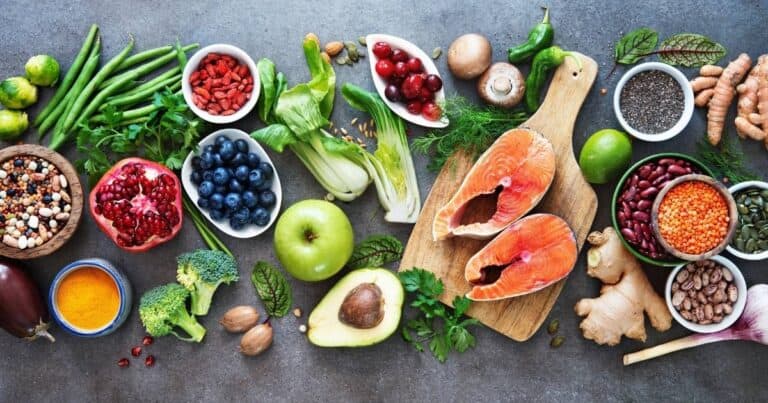
According to the CDC, only 1 in 10 American adults has a sufficient intake of fruits or vegetables. Studies have shown a diet rich in vegetables and fruits can reduce the risk of chronic diseases. Including obesity, heart disease, type 2 diabetes, and even certain types of cancer. As a matter of fact, many people don’t like or get nearly enough whole fruits and vegetables because of taste, texture, and/or childhood memories of being forced to eat them.
What about you? Getting enough fruits and vegetables does not have to be humdrum and daunting. Juicing has gained popularity with our fast-paced lifestyle and could potentially help more people to consume more fruits and vegetables for health.
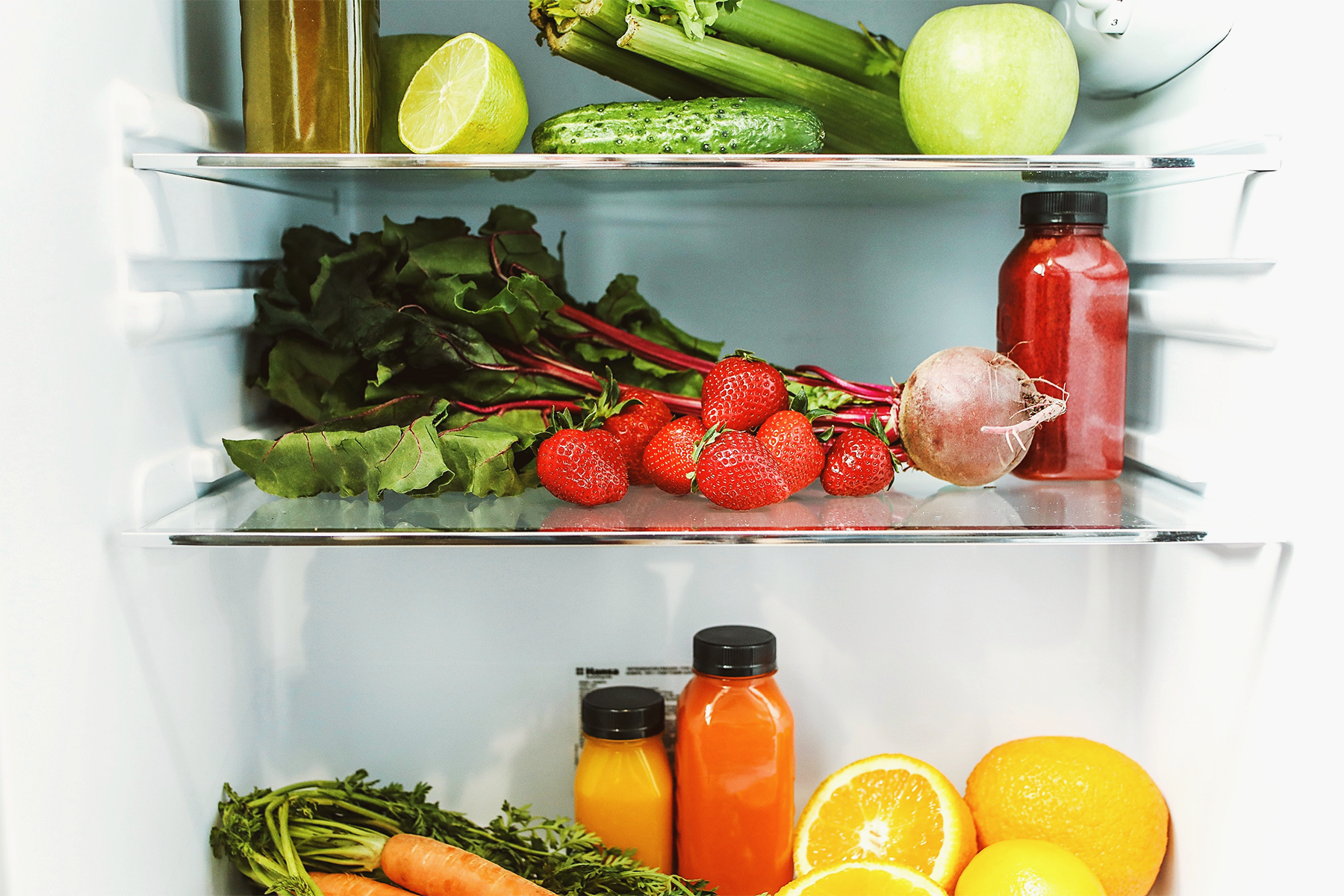
Juicing is the process of extracting the juice from fresh fruits and vegetables and leaving behind the fiber-rich pulp. Many people enjoy juicing because it is a refreshing, tasty, and convenient option to meet their daily nutrient needs. When you hear about juicing, you may think of “juice cleanse,” “detox,” and “weight loss.” Many people have these misconceptions about juicing. Before you decide if juicing is right for you, here are some tips about the positives and negatives of juicing.
Nutrition Pro Tip: If you choose to juice only make the amount you will be drinking. The longer the juice sits, even in the refrigerator, the sugary it becomes.
JUICING IS NOT THE ONLY WAY
Although fruits and vegetable juices are packed with many vitamins, minerals, and phytonutrients (plant compounds), they miss out on intact fiber that is found in whole fruits and vegetables. Dietary fiber from the skin or pulp, which is removed during the juicing process, can reduce your blood cholesterol levels, lower the risk of heart disease, and improve bowel movements.
Next time you make juice at home, do not throw away the fiber-rich pulp. Instead, try to add it back into the juice or use it to make homemade muffins, broth, or casseroles.
Nutrition Pro Tip: Juicing can be one way to supplement fruit and vegetable intake, but it cannot be your sole source of it.
NOT ALL JUICES ARE EQUAL
Vegetable juices may be a better option because vegetable juices have fewer calories and sugars than fruit juices. Also, compared to fruits (except apricots and cantaloupe), vegetables, in general, contain more alkalizing properties, which balance the body’s pH levels and protect us against disease.
As you may know, dietary fiber also provides us a feeling of fullness with fewer calories. Drinking fruits and vegetables in a liquid form can contribute to excess calorie consumption. However, eating whole fruits and vegetables rich in fiber can leave us more satisfied.
JUICING IS NOT GOOD FOR EVERYONE.
Juicing or juice fasting is not recommended for people who have certain health issues. For instance, if you have diabetes, juicing or juice fasting can cause spikes in blood glucose (sugar). This is due to the high content of either natural or added sugars in juices. If you have kidney disease, high levels of potassium and phosphorus loaded in the concentrated juices can accumulate in the blood and damage the body. If you are currently taking blood thinner medications, especially Warfarin (Coumadin), you need to consult with your doctor or registered dietitian nutritionist because fruits and vegetables high in vitamin K can interfere with the drug.
Nutrition Pro Tip: If you have any imbalances juicing can aggravate the symptoms.
JUICING IS NOT FOR WEIGHT-LOSS
Many advertising a juices cleanse claim to help people detoxify the body and lose weight. However, there is no scientific research to support that our body can be detoxified from juicing. Our body has a built-in cleansing program. This is designed to remove toxins from the blood, namely the liver, the kidneys, and the intestinal tract (bowels).
When you eat the right number of proteins, calories, and minerals, the liver and the kidneys can do their job properly and get rid of waste products.
Also, when you eat adequate fiber, your bowels can work effectively to eliminate toxins. If you are on a juice diet, you are merely drinking loads of sugar and missing fibers, proteins, and other healthy nutrients that the body needed for natural detoxification.
The juice diet for weight loss can cause you to lose muscle mass because of the inadequate intake of protein. Also, lead you to blood sugar issues, fatigue, and diarrhea due to imbalanced diets.
THE BOTTOM LINE.
Juicing or Eating veggies and fruits? Eating whole fruits and vegetables is highly recommended as a part of a healthy diet. If you don’t enjoy eating whole fruits and vegetables, have issues with tolerating them, such as gastrointestinal problems or missing teeth. Then juicing can be one of many alternative choices to supplement your fruit and vegetable intake. Always be mindful to eat and drink in moderation and choose the right ones for your health. And enjoy the epicurean moment of eating and/or juicing your fruits and veggies!