
In last week’s blog post, we spoke about PCOS. What causes it? What are the symptoms? Is there a cure? More importantly… Do my diet and lifestyle choices affect my PCOS? Well YES, they do! That’s why this week we are focusing on exactly on the topic of diet and PCOS.
And to make it as simple as possible, we have broken the most important facts into FIVE simple points.
1. Treating PCOS With Weight Loss
Current research has been consistent in finding that the maintenance of a healthy weight in women who suffer from PCOS is associated with improved menstrual regularity, improved fertility, reduced hair growth, lower levels of male hormones, and improved insulin sensitivity.
Studies even suggest that IRRESPECTIVE of dietary composition, losing ONLY 5-10% of body weight can improve a range of common symptoms associated with PCOS. So, let’s put this percentage into perspective. If you are a woman, who weighs around 150 lbs. MINOR weight loss of only 7 or 8 lbs can have a MAJOR effect on symptoms. Weight loss can improve insulin resistance which is the ROOT cause of many PCOS symptoms. More importantly, by reducing insulin resistance- a woman reduces her chances of developing Type 2 Diabetes later in life.
2. Following a “Low GI” Diet
We often hear this term thrown around and plastered on the front of food labels to urge us to buy certain foods. But what does “Glycemic Index” or “Low GI” really mean?? Let us refresh on the basics again. Carbohydrates are an important macronutrient in the diet, they provide us with the main source of energy or fuel our bodies need each day. In the body, all carbohydrates are digested and broken down to glucose. This rise in blood glucose or blood sugar levels causes insulin to be released.
The Glycaemic Index of a food is the effect that any food has on a person’s blood sugar levels. In other word’s it is like a ranking index of the quality of carbohydrates because as we know, all carbohydrates are NOT created equally!
Foods can be defined as being low, medium, or high GI. Foods that are HIGH GI are broken down much faster and cause a spike in our blood sugars, only to crash shortly later and hence they don’t keep you very full for long. High GI foods cause a larger surge of insulin to be released and many women with PCOS already suffer from insulin resistance which causes a range of issues (this was explained in more detail last week via the following link….. (link last weeks blog).
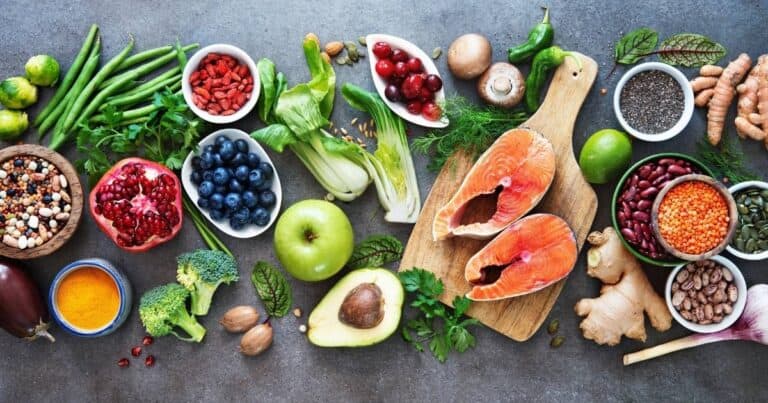
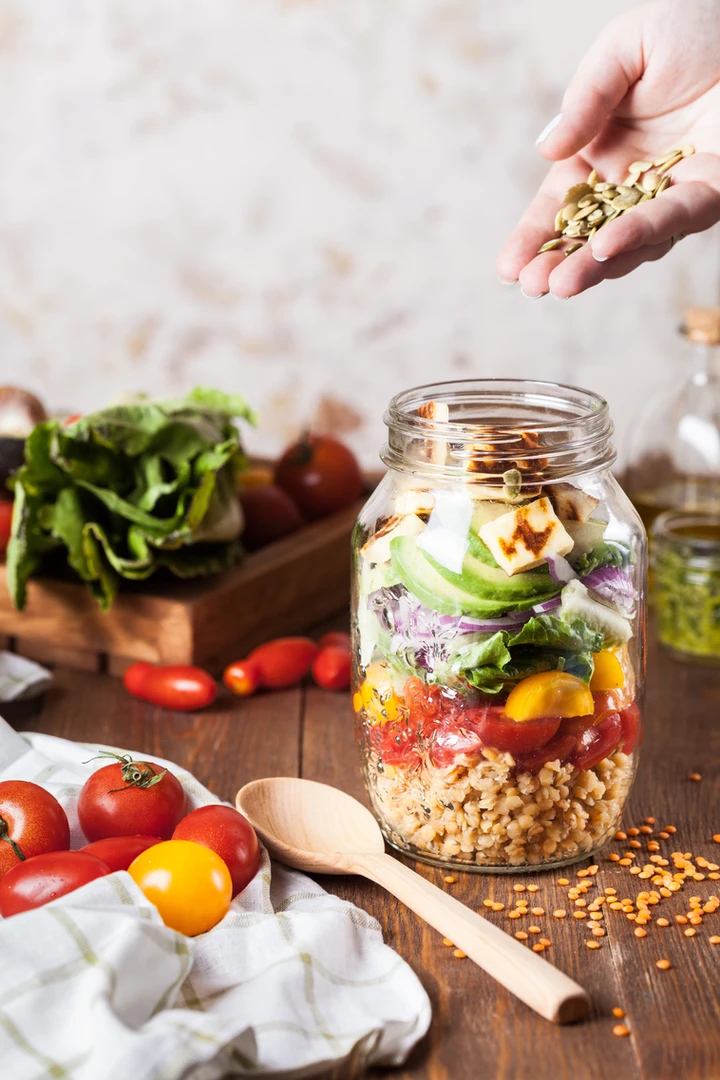
DO: Choose Low GI foods, such as beans, lentils, wholegrain bread pasta, and oatmeal.
AVOID: High GI foods that are highly processed and refined such as white bread and potatoes, cakes, biscuits, and most JUNK foods.
The Bottom Line…. Don’t cut out carbohydrates! Just choose wisely.
3. Lean Protein and Healthy Fats
Lean protein sources should be included in the diet of someone with PCOS because foods high in protein keep us fuller for longer as they take longer for our body to break down.
Lean protein sources include poultry, fish, eggs, beans, peas, legumes, chickpeas, nuts, and vegetarian meat substitutes.
Healthy fats are an important component in anyone’s diet, but particularly in PCOS as certain “heart-healthy” fats reduce a person’s risk of heart disease in later life. These fats are known as “monounsaturated fats” can be found in foods such as nuts, seeds, and olive or rapeseed oils.
The most important tip is to eat balanced meals and make sure there is a lean protein and healthy fat source with each meal! Balance is key!

4. Vitamins and Supplements
Vitamin D:
AKA the Sunshine Vitamin! Unfortunately, many of us in the north east are not getting enough of this vitamin during the cold winter! Therefore, it is important to take a supplement. In PCOS, vitamin D has been associated with improved insulin sensitivity and reduced levels of male hormones e.g testosterone. And remember in last weeks post, high levels of male hormones in the female body are the cause of some of the most distressing PCOS symptoms- such as excess hair growth or male pattern balding.
Omega 3 Fatty Acids:
Omega- 3’s are found in oily fish (salmon/ mackerel/ trout and fresh tuna) or those found in supplements such as fish oils/ cod liver oils. Omega 3’s have anti-inflammatory properties and therefore they are extremely important in the PCOS diet.
Research suggests that inflammation is a possible cause of insulin resistance and PCOS. Fish oils can help lower inflammation and help your cells to utilize insulin, which is at the root of what is driving PCOS.
Also, Omega-3’s play a role in reducing testosterone levels in women with PCOS and subsequently aid in regulating the menstrual cycle.
5. Herbal Remedies for PCOS
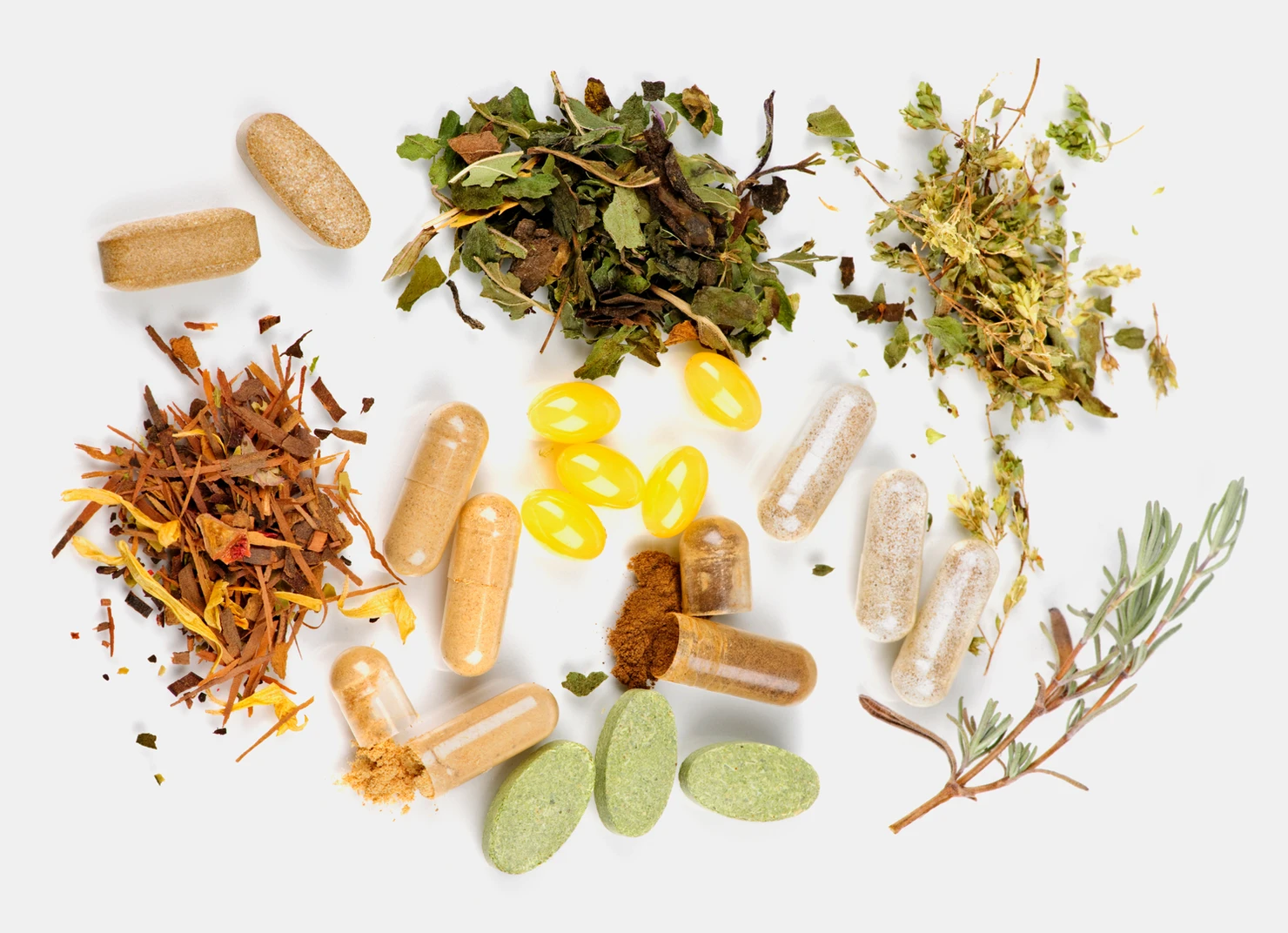
The most common herbal supplement taken by PCOS sufferers is the Chaste Tree Berry supplement, otherwise known by its Botanical Name: Vitex Agnus-Castus.
This herbal supplement is extracted from the berries and leaves of the Chaste Tree and its use in women suffering from hormonal imbalances dates back hundreds and hundreds of years ago.
The chaste tree berry has been shown to balance estrogen and progesterone levels, and thus lower progesterone levels in women with PCOS, it has also been shown to lower prolactin levels, which has a knock-on effect on many of the common symptoms associated with the condition. Random Controlled Trials (the GOLD standard of scientific studies) have demonstrated positive effects for this supplement in improving menstrual regularity and infertility.
For these reasons, it is sometimes referred to as the “women’s herb” or the “female herb”. Chaste tree has been taken in the past to help with symptoms of PMS, as a treatment for infertility, and also to reduce androgen (male hormone) levels (such as testosterone which is high in PCOS sufferers).
Some pharmacological studies have shown that the Chaste Berry supplement may even have an influence over the pituitary gland, regulating hormone release hence why it has such great potential to reduce the symptoms of PCOS.
This herbal remedy is generally taken in pill form on a daily basis and like many other herbal supplements, results are not immediate. Research suggests taking it for at least 3 months to see any effects.
The Bottom Line
PCOS is a common and HIGHLY distressing condition affecting women all over the world. However, simple and easy dietary steps can have hugely positive effects. Like any other dietary regime, it is not about cutting foods out of the diet and restricting yourself so much that you have no quality of life. It generally comes down to simple realistic steps- making smart choices and choosing, non-processed, NO added sugar, WHOLE foods.