

Let’s be real, Rosé All Day! Memorial Day Weekend is a weekend of celebrations, family, fun, cooking, and most likely alcohol. We all know it is best to drink in moderation but with all the cookouts and family get-together’s a few drinks are most likely in your future! We want to inform you on what are hangovers and most importantly how to prevent them.
So let’s enjoy family time without any of the downtime afterward!! Follow these tips to ensure a hangover-free weekend!

What Causes Hangovers?
You probably already know that it’s best to drink alcohol in moderation.
The recommendation is 1 drink a day for women and 2 drinks a day for men.
But what do we do when we overindulge and end up at work with sunglasses, wishing away the pounding headache?
6 Reasons Why You Get A Hangover.
Dehydration
Alcohol is dehydrating because of its diuretic effect, making you urinate more frequently. In addition, alcohol decreases the activity of Antidiuretic Hormone (ADH), one of the hormones responsible for regulating the body’s fluid balance by retaining water.
Not only is this dehydrating, but electrolytes are also lost in this high volume of dilute urine.
Dehydration is probably one of the main culprits for the morning after lightheadedness, dizziness, and headache.
Gastrointestinal Irritation
Alcohol increases the amount of acid produced in your stomach and causes irritation in your gastrointestinal tract, resulting in inflammation. This inflammation is usually responsible for nausea and vomiting. Alcohol can also inflame the colon, which speeds up colonic contractions and impairs the colon’s ability to absorb water, leading to diarrhea.
Low Blood Sugar
The liver metabolizes alcohol, the organ responsible for regulating blood sugar levels. Alcohol can impair the liver’s ability to control blood glucose levels, leading to low blood sugar (hypoglycemia).
Symptoms of hypoglycemia are fatigue, dizziness, shakiness, sweating, headaches, and irritability.
Toxins
The byproduct of alcohol metabolism in the liver is acetaldehyde, a toxin. In moderation, acetaldehyde is cleared by the antioxidant glutathione.
However, when alcohol is consumed in excess, the amount of glutathione available is not enough to clear the acetaldehyde quickly and efficiently. This leaves acetaldehyde to build up, causing symptoms associated with hangovers.
Immune System Response
Drinking alcohol stimulates the immune system to release substances called cytokines.
These cytokines produce effects on other cells in the body that result in physical symptoms such as inflammation, fatigue, headaches, nausea, and impairments in memory or concentration.
Congeners
Congeners are chemicals that are produced during the fermentation of alcohol that provide some alcoholic beverages with their unique taste. They may contain chemicals such as methanol, tannins, acetaldehyde, and acetone. In addition, more severe hangover symptoms are associated with congeners. The drinks higher in congeners are typically darker drinks like bourbon, whiskey, red wine, and dark beer. Clear liquors, like vodka and gin, as well as light beers are usually lower in congener content.

Hangover Prevention Tips
Moderation:
The risk of developing a hangover and the level of severity increases with the more alcohol you drink. In other words, the most effective method of preventing hangovers is to know your limits as it is specific to everyone. The risk of developing a hangover and the level of severity increases with the more alcohol you drink.
Hydrate!
Drink plenty of water throughout the night, in between drinks, and when you get home to prevent dehydration.
Eat before you out:
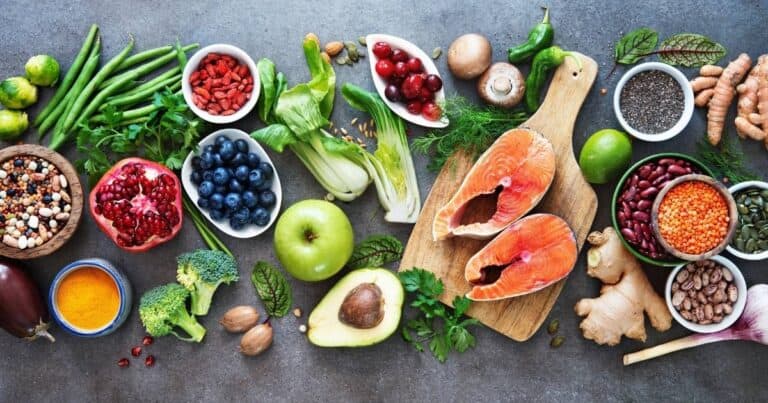
Drinking on an empty stomach causes your body to quickly metabolize and absorb the alcohol, accelerating the alcohol’s effect. Having food in your stomach before you go out will actually slow down the absorption of alcohol into your bloodstream. It may also help prevent the drop in blood sugar that typically follows a night of drinking. Try eating a meal high in heart-healthy fats, high-quality carbohydrates (fiber), and lean proteins. These foods take a longer time to digest and will stay in your stomach longer to slow the absorption of alcohol.
Eat Breakfast:
Having a nutritious breakfast will replenish your body’s blood glucose stores, electrolytes, vitamins, and minerals.
Choose drinks low in congeners:
Choose clear drinks and light-colored beers as they contain little to no congeners.
Sleep:
Poor sleep can contribute to fatigue the next day, worsening the symptoms of your hangover. And the number one way to prevent a hangover is to refrain from drinking alcohol!