
If your PMS feels like it’s getting worse every cycle… the bloating, the mood swings, the cramps that knock you flat, you’re not imagining it, and you’re not “just sensitive.” There may be something deeper going on inside your gut that’s fueling those symptoms. And science is finally catching up.
At New York City Nutrition, we work with women every day who have been told their premenstrual symptoms are “normal.” But suffering is not your baseline. When we look at the full picture; hormones, gut health, diet, stress, we find real, addressable root causes. Today, we’re diving deep into one of the most exciting and underexplored connections in women’s health: the relationship between your gut microbiome and your hormonal cycle.
What Is PMS vs PMDD?
Let’s get clear on definitions first, because these two terms are often used interchangeably, and they’re not the same thing.
Premenstrual Syndrome (PMS) is the cluster of physical and emotional symptoms that show up in the luteal phase (the one to two weeks before your period). Think: bloating, breast tenderness, fatigue, mood dips, food cravings, headaches. Up to 80 to 90% of women of reproductive age experience some degree of premenstrual symptoms.
Premenstrual Dysphoric Disorder (PMDD) is a more severe, clinically diagnosable condition listed in the DSM-5. It affects approximately 2 to 6% of women and involves intense mood disturbances, depression, anxiety, irritability, and rage, that significantly disrupt daily life. PMDD isn’t just “bad PMS.” It’s a condition that deserves serious, individualized care.
Both PMS and PMDD are rooted in how your body responds to the hormonal fluctuations of your cycle, particularly the rise and fall of estrogen and progesterone. But here’s what most conventional medicine misses: your gut plays a starring role in whether those hormonal shifts hit you hard or barely register.
Meet the Estrobolome: Your Gut’s Hormone Team
Inside your gut right now, there are trillions of bacteria doing extraordinary work. Among them is a specialized collection called the estrobolome, the community of gut microbes responsible for metabolizing and regulating estrogen in your body.
Here’s how it works: estrogen goes through the liver for detoxification, gets conjugated (packaged up), and is sent to the gut to be excreted. But certain gut bacteria produce an enzyme called beta-glucuronidase that can deconjugate that estrogen, essentially unwrapping it and sending it back into circulation.
When your gut microbiome is healthy and diverse, the estrobolome keeps beta-glucuronidase activity in a healthy range, helping your body maintain hormonal balance. When your gut is in a state of dysbiosis (imbalance), beta-glucuronidase activity can spike, pushing more estrogen back into your bloodstream than your body needs.
This estrogen excess, known as estrogen dominance, is a major driver of PMS and PMDD symptoms: heavier periods, breast tenderness, mood swings, water retention, and worsening cramps.
What the Research Tells Us
This isn’t just theory. Researchers are actively building the evidence base connecting gut health to premenstrual disorders, and the findings are illuminating.
The Microbiome Is Different in Women with PMS
A landmark 2022 cross-sectional study published in PLOS ONE (Takeda et al.) analyzed the fecal microbiome of women with premenstrual disorders (PMDs) compared to women without. Researchers found meaningful differences in gut microbial composition between the two groups. Specifically, beneficial bacteria, including Parabacteroides and Megasphaera, were reduced in women with more severe premenstrual symptoms. These are bacteria linked to butyrate production (a gut-protective short-chain fatty acid) and healthy inflammatory regulation.
Gut Bacteria Make Serotonin and GABA
One of the most compelling findings in recent research is that your gut microbiota directly produce and regulate neurotransmitters that your hormonal system depends on.
A 2023 review published in Life Sciences (Azmy, Cairo University) synthesized the current evidence on gut microbiota and premenstrual disorders. The review highlighted the gut microbiome’s ability to: (1) modulate estrogen and progesterone function, (2) secrete serotonin and GABA, and (3) reduce systemic inflammation, all of which are directly implicated in PMS and PMDD symptomology. The authors concluded that gut-targeted interventions, including probiotics, represent a promising therapeutic avenue for managing these disorders.
Remember: approximately 90% of your body’s serotonin is produced in the gut. Low serotonin during the luteal phase is one of the central mechanisms behind PMDD’s mood symptoms. If your gut is compromised, your serotonin production can be, too.
Nutrition Is One of the Most Powerful Levers
A 2023 review in Frontiers in Nutrition (Siminiuc & Țurcanu) analyzed the impact of nutritional and dietary therapies on PMS across multiple databases. While they noted that research on macronutrients showed mixed results, the evidence for specific micronutrients was compelling. Calcium, magnesium, vitamin D, and B vitamins demonstrated effectiveness in reducing PMS symptom severity. The authors emphasized diet as a primary modulating factor for symptom management.
What this tells us: what you eat doesn’t just affect your energy and weight. It directly shapes your gut microbiome, your estrogen metabolism, and your hormonal symptoms month after month.
5 Signs Your Gut May Be Driving Your PMS
You might not automatically connect your period symptoms to your digestive health. Here’s what to watch for:
- Your PMS symptoms have been getting progressively worse, not staying stable or improving. Worsening symptoms over time often point to deepening dysbiosis or nutrient depletion.
- You experience bloating, constipation, or loose stools in the days before your period. The gut and hormones communicate bidirectionally. Gut disturbances during the luteal phase are a red flag.
- You struggle with anxiety or low mood in the week before your period, especially if it lifts almost immediately when bleeding starts. This pattern points strongly to estrogen-driven neurotransmitter disruption.
- You’ve been on antibiotics or hormonal birth control recently. Both can significantly alter microbiome composition and affect your estrogen metabolism.
- Your diet is low in fiber and fermented foods. The estrobolome thrives on fiber. Low-fiber diets reduce microbial diversity and impair estrogen clearance.
What You Can Do: A Nutrition-First Approach
This is where we get practical. At New York City Nutrition, we don’t believe in one-size-fits-all protocols. But there are foundational strategies, evidence-informed and client-tested, that consistently move the needle for women managing PMS and PMDD.
- Feed Your Estrobolome with Fiber
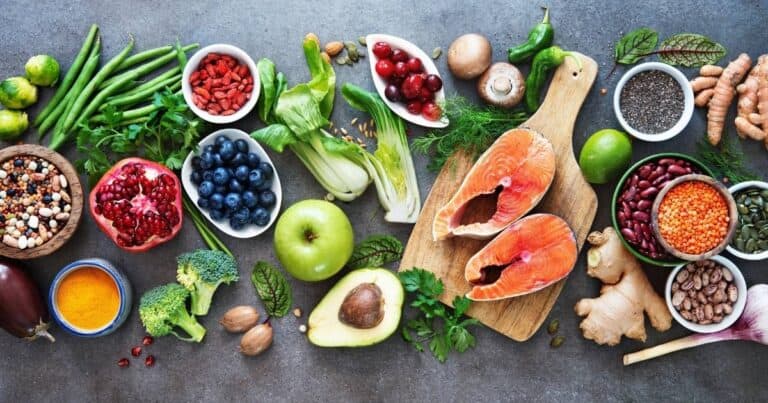
Diverse, plant-based fiber is the primary food source for beneficial gut bacteria. Aim for 25 to 35 grams per day from a variety of sources: vegetables, legumes, whole grains, fruits, seeds. Cruciferous vegetables (broccoli, Brussels sprouts, cauliflower, kale) are especially valuable. They contain compounds called glucosinolates that support estrogen detoxification pathways in the liver.
- Prioritize Fermented Foods
Yogurt, kefir, sauerkraut, kimchi, tempeh, and miso introduce beneficial bacteria directly into your gut. Research consistently shows fermented food consumption is associated with greater microbiome diversity. Add a small serving daily rather than going all-in overnight.
- Address the Key Micronutrients
Based on the Frontiers in Nutrition review mentioned above, focus on:
- Magnesium (found in dark leafy greens, seeds, dark chocolate): helps reduce anxiety, muscle cramps, and irritability in the luteal phase.
- Calcium (dairy, fortified plant milks, leafy greens): clinical trials show calcium supplementation reduces both physical and mood-related PMS symptoms.
- Vitamin B6 (poultry, fish, bananas, potatoes): supports serotonin synthesis.
- Vitamin D (fatty fish, eggs, sunlight, supplementation): deficiency is associated with worse PMS severity.
- Reduce Inflammatory Triggers
Ultra-processed foods, alcohol, and excess sugar promote gut dysbiosis and drive up systemic inflammation, which amplifies hormonal sensitivity. This doesn’t mean perfection. It means minimising the inputs that work against your hormonal health, especially in the two weeks before your period.
- Consider Advanced Testing
Not all PMS is the same, and guessing isn’t our approach. Advanced stool testing (like GI-MAP) can assess your specific microbiome composition, beta-glucuronidase levels, and gut permeability markers. Comprehensive hormone panels can reveal exactly where your estrogen and progesterone balance stands. This is the kind of precision we bring to our practice every day.
The Bottom Line
Your period symptoms are not a life sentence. They are information, signals from your gut, your hormones, and your nutrition status that something needs attention. The emerging science is clear: the gut microbiome plays a central, measurable role in how your body metabolises estrogen, produces mood-regulating neurotransmitters, and manages inflammation throughout your cycle.
When we address the gut alongside hormones, the results our clients experience are real: lighter, more manageable cycles; improved mood stability in the luteal phase; less bloating; more energy. This is what root-cause care looks like.
If you’re ready to stop managing your symptoms and start understanding them, we’re here for that conversation.